
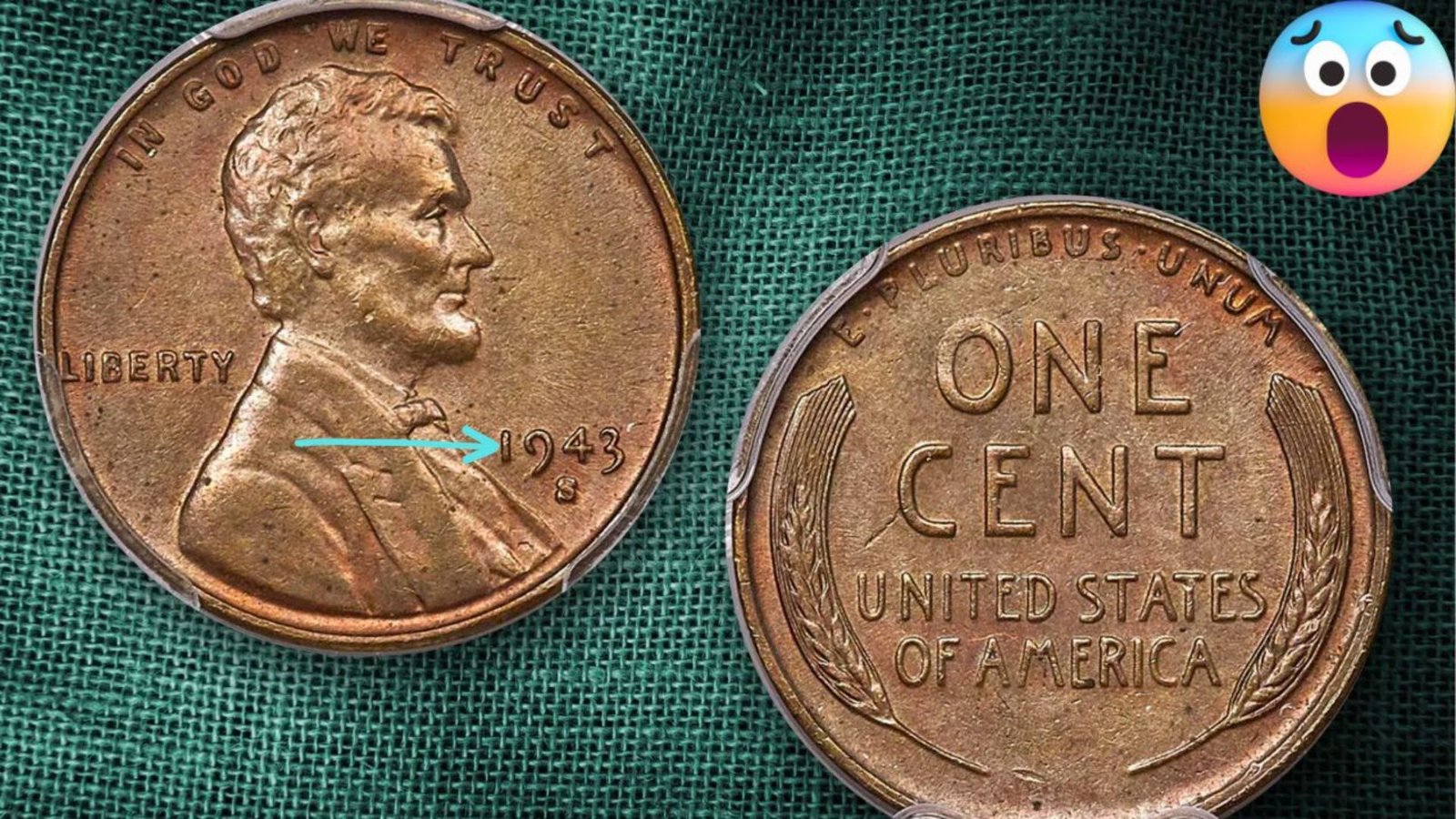
Imagine digging through your grandma’s old coin jar and pulling out a dusty penny from 1943. Most folks would toss it aside as junk. But what if that little slip-up from history turned it into a $2.2 million windfall? That’s the wild story of the rare 1943 copper penny—a numismatic unicorn that’s got collectors buzzing.
In this post, we’ll uncover why this rare coin is such a big deal, how it happened, and tips to spot one in your pocket. Stick around; you might just learn your next hobby could pay off big.
What Is the 1943 Copper Penny?
The 1943 penny looks like any old Lincoln cent at first glance. But here’s the twist: during World War II, the U.S. Mint switched to steel pennies to save copper for the war effort. Almost all 1943 pennies are that dull, magnetic steel.
Yet, a handful—maybe 20 total—were accidentally struck in bronze. These 1943 copper pennies are the holy grail of rare coins. Spot one? You could be holding a piece of history worth a fortune.
The Wartime Backstory
Picture 1942: America’s deep in WWII, and copper’s rationed for bullets and bombs. The Mint cranks out over a billion steel pennies coated in zinc. But a few bronze planchets (the blank metal discs) slipped through from the year before.
Mints in Philadelphia, Denver, and San Francisco each goofed up a tiny batch. These errors stayed hidden for decades, turning up in lunch money or estate sales. It’s a reminder: even big machines make mistakes, and those flubs become rare coin legends.
Why the 1943 Penny Is Skyrocketing in Value Today
Fast-forward to now. With inflation and collector fever, rare coins like the 1943 copper penny are hotter than ever. A pristine one just fetched $2.2 million at auction—up from $40,000 in the 1950s.
Why? Scarcity meets demand. Only certified examples exist, and they’re gobbled up by museums and millionaires. For hobbyists, it’s not just money; it’s owning a wartime whisper.
How to Hunt for Rare Coins Like the 1943 Penny
You don’t need a metal detector to start. Raid your change jar, visit estate sales, or join coin clubs. Apps like CoinSnap help ID potentials fast.
Once you find a suspect 1943 penny, test it: Copper won’t stick to a magnet. For real value, get it graded by PCGS or NGC. It’s like dating your rare coin—boosts its worth big time.
Mind-Blowing Facts and Auction Records
Did you know? The first 1943 copper penny surfaced in 1943 itself, but collectors dismissed it as a fake. Today, they’re authenticated gems.
Check these blockbuster sales:
Expert Tips for Aspiring Coin Collectors
Start small: Focus on wheat pennies before chasing 1943 rarities. Store in albums, not jars—humidity kills value. Network at shows; pros share secrets. And remember, patience pays. Many fortunes started with a $1 flea market find.
Frequently Asked Questions
Is my 1943 penny worth checking?
Absolutely! If it’s reddish and non-magnetic, rush it to a grader. Steel ones are cheap, but copper? Life-changing.
How do I know if it’s real copper?
Weigh it (3.11 grams), check magnetism, and look for clear date/mint mark. Fakes abound, so certify it.
Where can I sell a rare 1943 penny?
Try Heritage or Stack’s Bowers auctions. Or eBay for quick flips, but auctions maximize rare coin value.
Are there other valuable pennies like this?
Yep! 1944 steel pennies or 1955 doubled dies. Dive into error coins for more hidden gems.
In a world of digital dollars, rare coins like the 1943 penny remind us: Real treasure hides in plain sight. Whether you’re a newbie hobbyist or seasoned collector, start sorting that change—your $2.2 million story might be next. Share your finds in the comments, and check our guide to top rare coins for more thrills!