
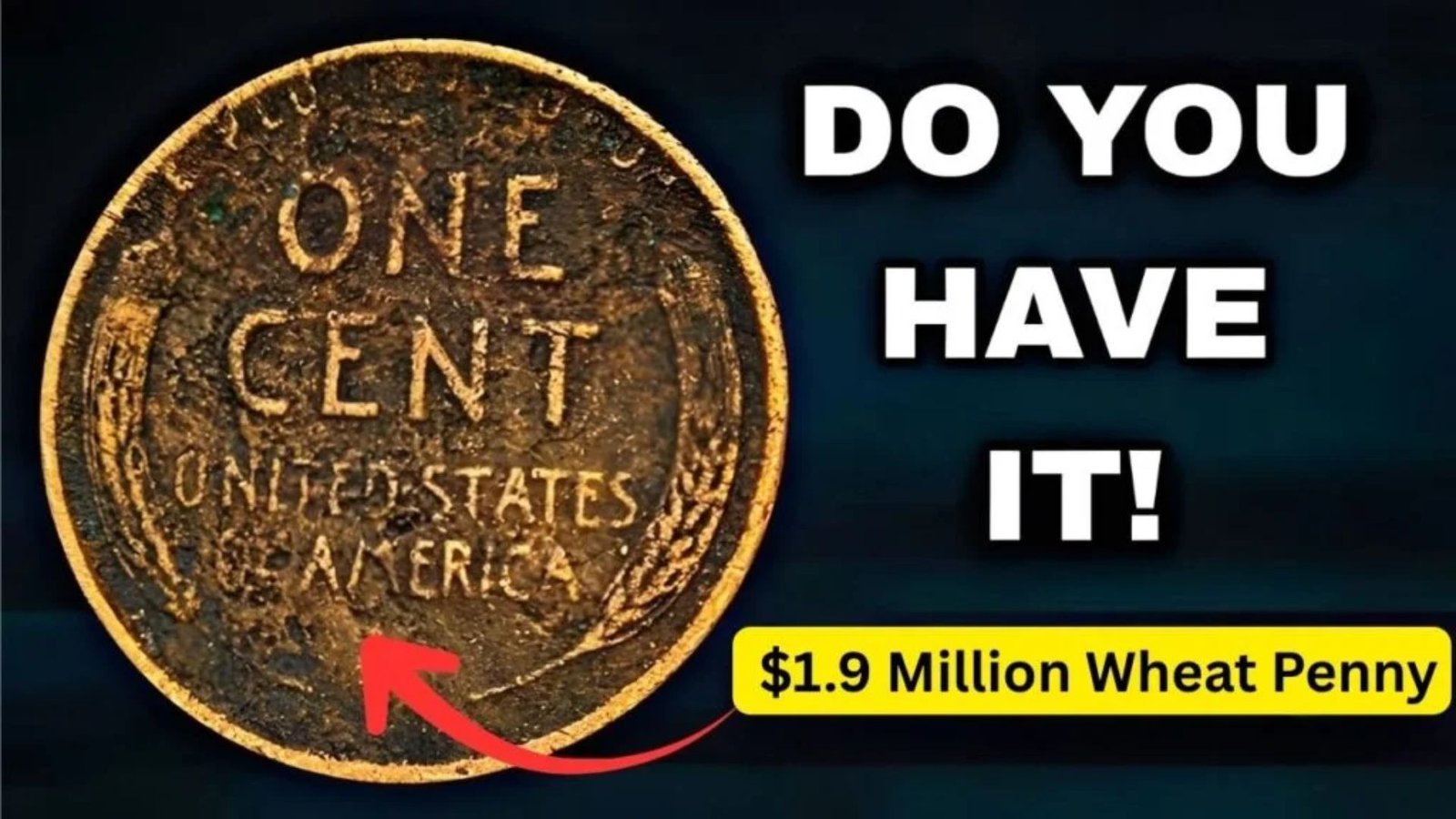
Imagine digging through a jar of loose change and pulling out a shiny penny from 1943. Most folks would toss it aside—after all, it’s just a cent. But what if that little coin held a wartime blunder worth nearly $2 million? That’s the wild story of the 1943 bronze wheat penny, a rare error that turned numismatics on its head.
In this post, we’ll uncover the hidden drama behind this valuable penny, why it’s a holy grail for rare coin collectors, and how you might spot one yourself. Stick around—you could be sitting on a fortune without knowing it.
What Is the 1943 Wheat Penny?
The Lincoln wheat penny, minted from 1909 to 1958, features Abe Lincoln’s profile on one side and wheat stalks on the reverse. It’s a beloved classic among rare coin enthusiasts. But the 1943 version? That’s where things get juicy.
During World War II, the U.S. Mint switched to zinc-coated steel for pennies to conserve copper for the war effort. Billions of these silvery steel wheat pennies rolled out. Yet, a handful—fewer than 20 known—were accidentally struck on leftover bronze planchets. These bronze wheat pennies look like their pre-war cousins: warm, reddish-brown, and deceptively ordinary.
The WWII Backstory: How a Mint Mix-Up Created a Rare Coin
Picture 1943: Factories churning out tanks and bullets, copper in short supply. The Mint cleared out bronze blanks, but a few sneaky ones slipped through the cracks at Philadelphia, San Francisco, and Denver.
Legend has it a Denver press operator grabbed the wrong tray, stamping maybe a dozen bronze beauties before anyone noticed. These error coins evaded melting and entered circulation. Decades later, savvy collectors pieced together the puzzle, turning a wartime flub into numismatic gold.
Why This Valuable Penny Is Still a Big Deal Today
In today’s market, rare coins like the 1943 bronze wheat penny fetch eye-popping prices. Why? Scarcity meets history. With only about 20 surviving examples, demand from high-end auctions soars. A single sale can eclipse $1 million, making it a poster child for valuable pennies that prove pocket change hides treasures.
Plus, in an era of digital money, tangible history like this connects us to the past—boosting appeal for hobbyists and investors alike.
How to Hunt for Rare Wheat Pennies in Your Collection
Got a piggy bank full of old coins? Start simple: Sort your wheat pennies by date and mint mark (look for tiny “D,” “S,” or no mark under the date). Steel 1943s are common, but if it’s coppery and magnetic? Nope—test with a magnet; steel sticks, bronze doesn’t.
Join online forums or local coin clubs to learn grading. Apps like PCGS CoinFacts can scan and value your finds. Who knows? Your next estate sale dig could uncover a gem.
| Common vs. Rare 1943 Wheat Pennies | Material | Magnet Test | Average Value |
|---|---|---|---|
| Steel Penny (Standard) | Zinc-coated steel | Attracts | $0.10–$1 |
| Bronze Error Penny | Bronze | Repels | $100,000+ |
Mind-Blowing Facts and Auction Records
These aren’t just coins—they’re time capsules. Here’s a quick look at top sales:
| Auction Year | Mint Mark | Grade | Sale Price |
|---|---|---|---|
| 2010 | D | MS-64 | $1.7 million |
| 2021 | S | MS-63 | $840,000 |
| 2019 | No Mark | VF-35 | $204,000 |
Fun stat: Only one 1943-D bronze exists in top condition, making it rarer than a honest politician. Another kicker? A kid found one in cafeteria change—talk about lucky lunch!
Expert Tips for Aspiring Coin Hobbyists
From a collector’s whisper: Always buy certified (PCGS or NGC) to avoid fakes—electroplated steel pennies flood eBay. Store in albums, not jars, to prevent wear. And network: Attend shows like FUN or ANA for insider scoops on rare wheat pennies.
Start small—grab affordable key dates like 1909-S VDB for under $1,000. Patience pays; values climb 10-20% yearly for top rarities.
Frequently Asked Questions
Is a 1943 copper penny real?
Yes, but ultra-rare. Most “copper” 1943s are fakes. Get it authenticated.
How do I know if my wheat penny is valuable?
Check date, mint, condition. Use online guides or pro appraisers.
Where can I sell a rare coin?
Try Heritage Auctions or eBay for starters, but consult experts first.
Are there other valuable pennies like this?
Yep! 1955 doubled die and 1944 steel errors rival it.
In wrapping up, the 1943 bronze wheat penny isn’t just a coin—it’s a wartime whoopsie that minted millionaires and hooked generations on rare coins. Whether you’re a newbie hobbyist or seasoned collector, the thrill of the hunt beats any stock tip. Dust off that change jar today, share your finds in the comments, and dive deeper into valuable pennies. Who knows? Your story could be next. Happy hunting!