
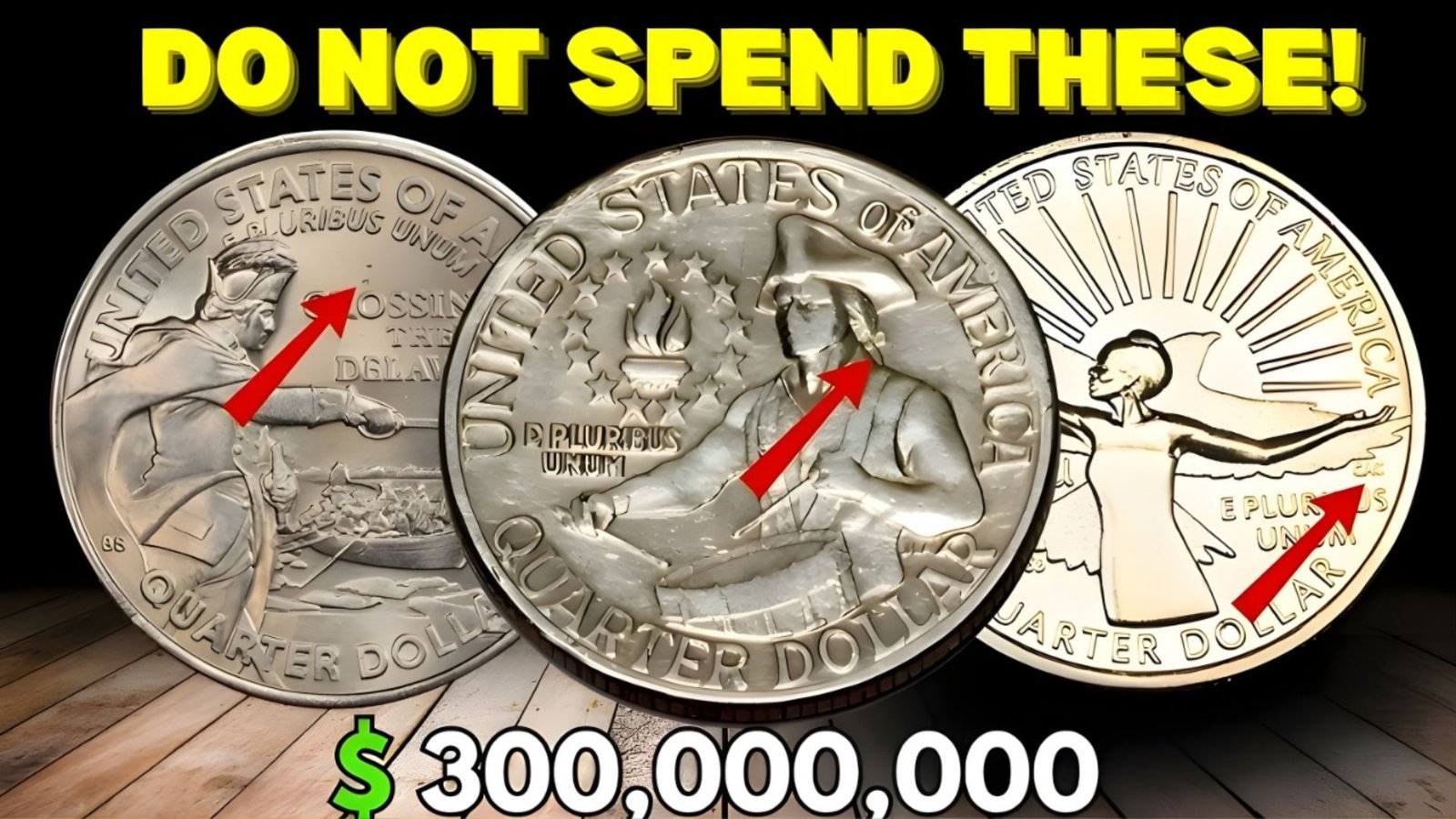
What if the change in your pocket was worth far more than 25 cents? Over the past decade, State Quarters have gone from everyday pocket change to collectible treasures that can fetch impressive sums. Some are worth just face value — others are worth hundreds. So what separates an ordinary quarter from a hidden jackpot? Let’s uncover the secrets behind the value of State Quarters in the past 12 years and what makes certain ones so valuable today.
What Are State Quarters?
State Quarters were introduced by the U.S. Mint in 1999 as part of the 50 State Quarters Program. Each design honored a U.S. state with a unique symbol, monument, or piece of history. The program ran until 2008, followed by Territorial and America the Beautiful Quarters. While millions were minted, not all were created equal — and that’s where collectors’ excitement begins.
A Brief History of the State Quarter Craze
When the first Delaware quarter hit circulation in 1999, Americans went wild. Collectors, kids, and hobbyists began saving coins, hoping for future value. Between 1999 and 2008, billions of quarters were produced — but over time, specific designs, mint errors, and low-mintage issues started to stand out. By 2012, the market for rare State Quarters was booming, with collectors paying big money for pristine examples and unique mistakes.
Why Some State Quarters Are Valuable
The value of a State Quarter depends on a mix of factors — rarity, mint mark, condition, and errors. Some quarters with low production numbers, doubled dies, or unique striking defects can sell for hundreds or even thousands of dollars. Others gain value simply because collectors want to complete their 50-state set in top condition.
Top 10 Most Valuable State Quarters (2012–2024 Market Values)
| Year | State Design | Mint Mark | Notable Feature | Estimated Value |
|---|---|---|---|---|
| 1999 | Delaware | P/D | Spitting Horse Die Crack | $15 – $250 |
| 2004 | Wisconsin | D | Extra Leaf (High/Low) | $100 – $1,500 |
| 2000 | South Carolina | P | Double Die Reverse | $50 – $300 |
| 2005 | Kansas | P | “In God We Rust” Error | $50 – $250 |
| 2001 | New York | D | Missing “E Pluribus Unum” | $100+ |
| 1999 | Connecticut | P | Broadstrike Error | $50 – $200 |
| 2002 | Ohio | D | Partial Collar Strike | $30 – $150 |
| 2005 | Minnesota | D | Extra Tree Error | $200 – $500 |
| 2008 | Hawaii | P/D/S | Key Date, Last State Quarter | $50 – $300 |
| 1999 | Pennsylvania | D | Die Crack Variety | $25 – $100 |
Factors That Influence State Quarter Value
| Factor | Description | Impact on Value |
|---|---|---|
| Mint Mark | Indicates production location (P, D, S) | S (San Francisco) coins often higher |
| Condition | Graded by wear (MS-60 to MS-70) | Higher grade = higher price |
| Error Type | Minting mistakes like cracks or double dies | Adds significant value |
| Low Mintage | Fewer coins struck increase rarity | Boosts collector demand |
| Historical Significance | Popular or iconic designs | Sustains long-term value |
How to Spot Valuable State Quarters
- Check the Mint Mark: Look under “In God We Trust.” Quarters from Denver (D) or San Francisco (S) can be rarer.
- Inspect for Errors: Use a magnifying glass to check for extra lines, cracks, or doubled text.
- Assess Condition: Coins with mirror-like finishes or minimal wear are worth more.
- Research Values: Use coin catalogs, grading sites like PCGS or NGC, and collector forums to compare current prices.
Interesting Facts About State Quarters
- The State Quarters program generated over $6 billion in seigniorage revenue for the U.S. Mint.
- The Wisconsin Extra Leaf Quarter remains one of the most famous modern mint errors.
- Some collectors have reported finding rare quarters in circulation even 20 years later.
- Proof sets from San Francisco often sell for premiums due to limited production.
Expert Insights
Coin experts say now is the perfect time to revisit your collection. The market for State Quarters has grown steadily as younger collectors enter the hobby. Graded coins, particularly those rated MS67 or higher, have seen consistent appreciation over the past decade. Certified errors and high-quality examples are the most in-demand.
FAQs
Q: Are all State Quarters valuable?
A: No. Most are worth face value unless they’re rare errors or uncirculated examples.
Q: Should I clean my coins to improve their value?
A: Never clean coins — it reduces collector value. Leave them in their natural condition.
Q: What’s the best way to store State Quarters?
A: Use plastic holders or coin albums to prevent damage from moisture or fingerprints.
Conclusion: Your Change Could Hold Hidden Wealth
The past 12 years have proven one thing — State Quarters are more than spare change. They’ve become a fascinating window into American history, art, and the thrill of discovery. Whether you’re a seasoned collector or just getting started, your next quarter might be worth far more than 25 cents. Keep your eyes open — you might be holding history in your hand.