
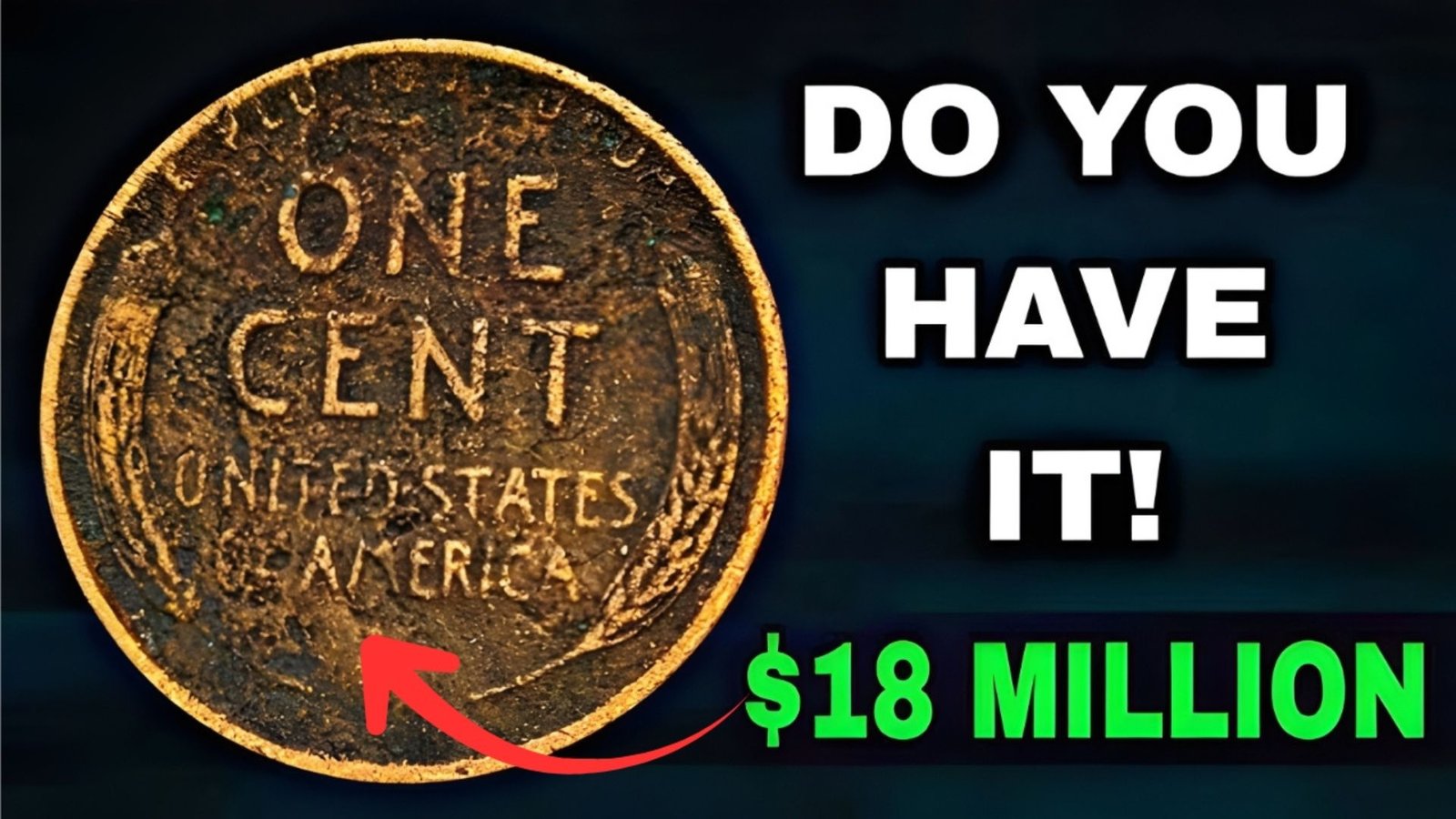
If you’ve ever emptied a jar of old coins and spotted a Wheat Penny, you might be holding a tiny piece of American history—and possibly a small fortune. Over the past 13 years, the value of Wheat Pennies has shifted dramatically, surprising collectors and beginners alike. From rare 1909 issues to mint errors worth thousands, this guide reveals how these humble copper coins became a collector’s dream.
What Are Wheat Pennies?
Wheat Pennies, also known as Lincoln Wheat Cents, were first minted in 1909 to honor Abraham Lincoln’s 100th birthday. They feature two wheat stalks on the reverse side, symbolizing prosperity and growth. These coins were produced until 1958, after which the Lincoln Memorial design took over. Though millions were minted, certain years and mintmarks have become treasures over time.
A Brief History of Wheat Penny Values
When Wheat Pennies were first released, they were simply worth one cent. But as the decades passed, collectors began noticing unique variations, low mintages, and error coins. Since 2010, the market for rare Lincoln Wheat Cents has seen steady growth thanks to online auctions and the rise of numismatic interest among younger collectors.
Key Value Growth of Select Wheat Pennies (2010–2023)
| Year of Coin | Notable Feature | Average Value in 2010 | Average Value in 2023 |
|---|---|---|---|
| 1909-S VDB | Designer initials, low mintage | $800 | $1,500+ |
| 1914-D | Key date rarity | $150 | $350–$600 |
| 1922 No D | Missing mintmark error | $500 | $1,000+ |
| 1931-S | Low mintage | $100 | $250–$400 |
| 1955 Doubled Die | Major error coin | $1,200 | $2,500–$4,000 |
Why Wheat Pennies Are Valuable Today
The surge in Wheat Penny values is fueled by scarcity, condition, and collector demand. Coins with sharp details, no scratches, and clear mintmarks often fetch premium prices. Error coins, such as off-center strikes or doubled dies, have become especially valuable, with some fetching thousands of dollars. In short, the rarer and cleaner your coin, the higher its worth.
What Makes Certain Wheat Pennies Rare?
Several factors determine rarity:
- Low Mintage Years: Certain years, like 1914-D and 1931-S, had very few coins produced.
- Mint Errors: Coins with missing letters, double images, or off-center designs are collector favorites.
- Historical Context: Coins minted during the Great Depression or wartime are particularly prized.
Common vs. Rare Wheat Pennies – Quick Comparison
| Category | Common Example | Rare Example | Approximate Value |
|---|---|---|---|
| Common Circulated | 1944-D | 1–2 cents | |
| Semi-Key Date | 1924-S | $5–$25 | |
| Rare Key Date | 1909-S VDB | $1,500+ | |
| Error Coin | 1955 Doubled Die | $2,000–$4,000 |
Notable Facts That Might Surprise You
- Some Wheat Pennies were made of steel in 1943 due to copper shortages in WWII. These “Steel Cents” are magnetic and collectible.
- A 1943 copper penny—a minting mistake—sold for over $200,000.
- Early Wheat Pennies from Denver and San Francisco mints (marked “D” or “S”) are typically more valuable than Philadelphia issues.
Expert Tips for Collectors
- Check for Mintmarks: The “S” and “D” marks often indicate higher value.
- Preserve Condition: Avoid cleaning coins; use holders or albums instead.
- Get Your Coins Graded: Certified coins from PCGS or NGC can sell for far more.
- Look for Errors: Double-die strikes or misaligned prints are worth inspecting.
FAQs
Q: Are all Wheat Pennies valuable?
A: No, most are worth 2–10 cents, but key dates or mint errors can reach thousands.
Q: Can I find Wheat Pennies in circulation today?
A: Rarely, but they still turn up in old jars, coin rolls, and estate sales.
Q: How do I sell valuable Wheat Pennies?
A: Through coin shops, online auctions, or professional coin grading services.
Conclusion: A Coin Collector’s Dream
Over the past 13 years, the Wheat Penny market has proven that even the smallest coins can hold enormous value. From a 1909-S VDB to a 1955 Doubled Die, each tells a story of history, craftsmanship, and rarity. Whether you’re a casual hobbyist or a serious collector, one thing is certain—your next penny could be a priceless discovery.